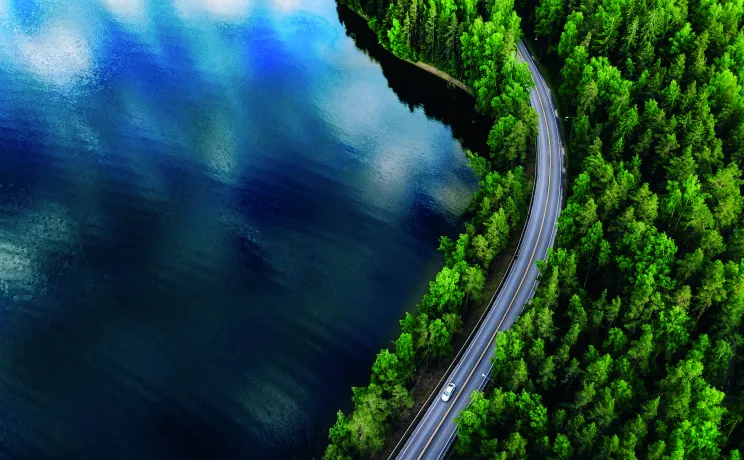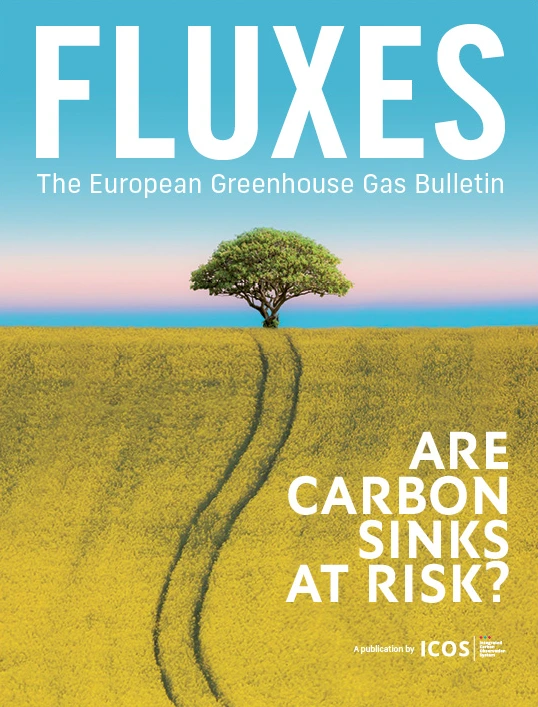
Are carbon sinks at risk?

Volume 1

This inaugural edition of FLUXES explores how long-term observation data can answer questions such as:

Has there been an acceleration of the increase of greenhouse gases in the atmosphere?’
Has extreme weather in Europe influenced the carbon cycle of ecosystems and, consequently, changed their ability to store carbon?’

The observational data produced by ICOS can support policy-makers in various ways. Robust data can help to identify whether and how strong a carbon sink is. Long-term and consistent data can produce reliable estimates of the sizes of the carbon pools and inform how these pools respond to environmental and management changes as the world transitions towards carbon neutrality.

by Dr Philippe Ciais & Dr Werner L. Kutsch

All FLUXES volumes

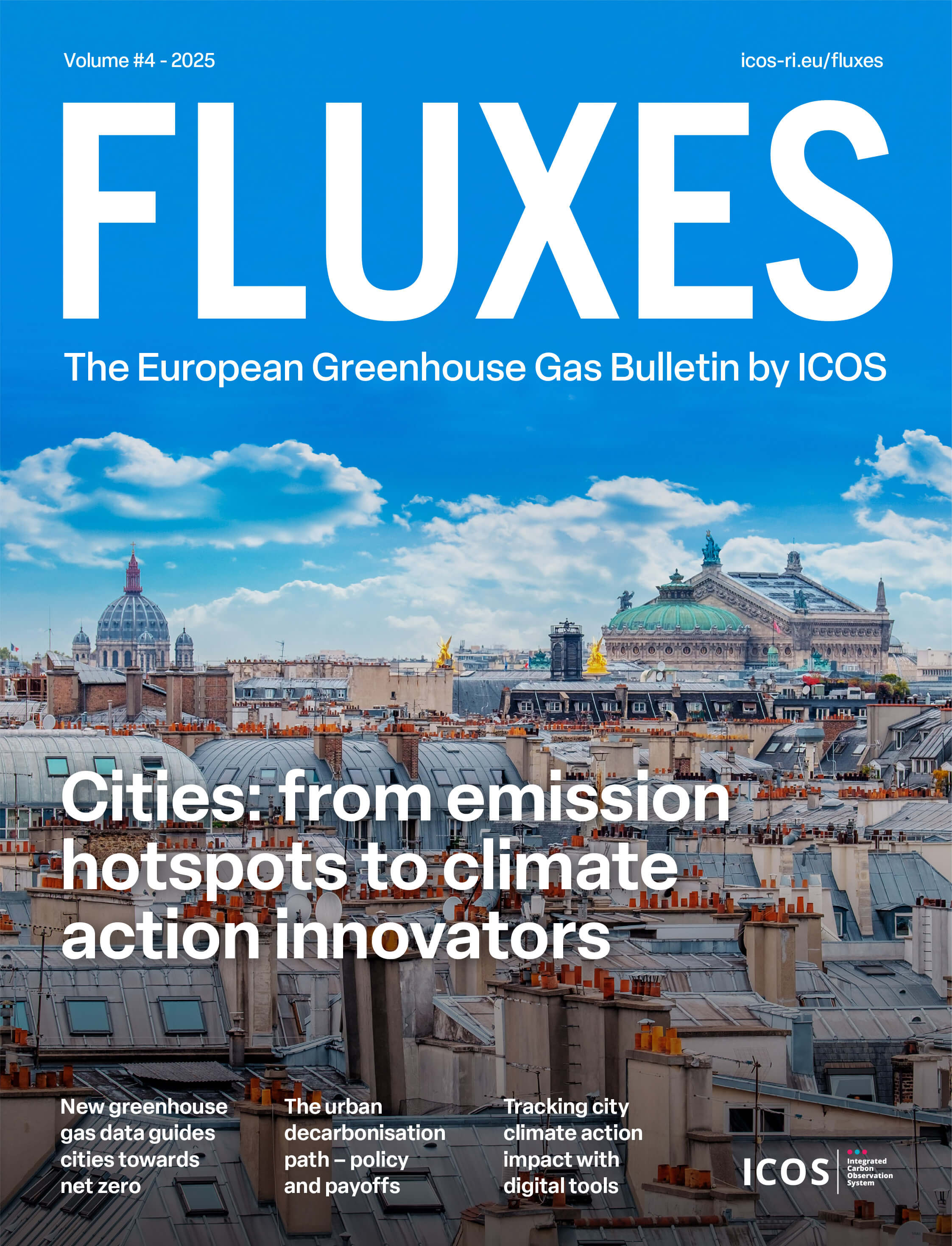
Volume 4, 2025

Cities: from emission hotspots to climate action innovators

Cities emit a large amount of greenhouse gases, but they also hold significant potential to mitigate the climate crisis. While national governments set ambitious climate targets, cities are where policies turn into tangible action.
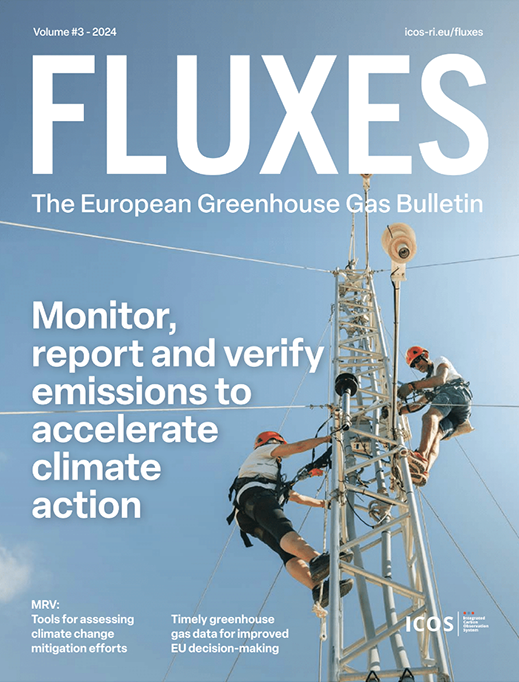
Volume 3, 2024

MRV: A critical tool for tracking emissions and accelerating climate action

We need to drastically reduce our greenhouse gas emissions to avoid the worst impacts of climate change. The latest issue of FLUXES, the European Greenhouse Gas Bulletin, by ICOS – sheds light on an essential tool to help decision-makers assess progress towards a net zero world: science-based Monitoring, Reporting and Verification (MRV) systems.
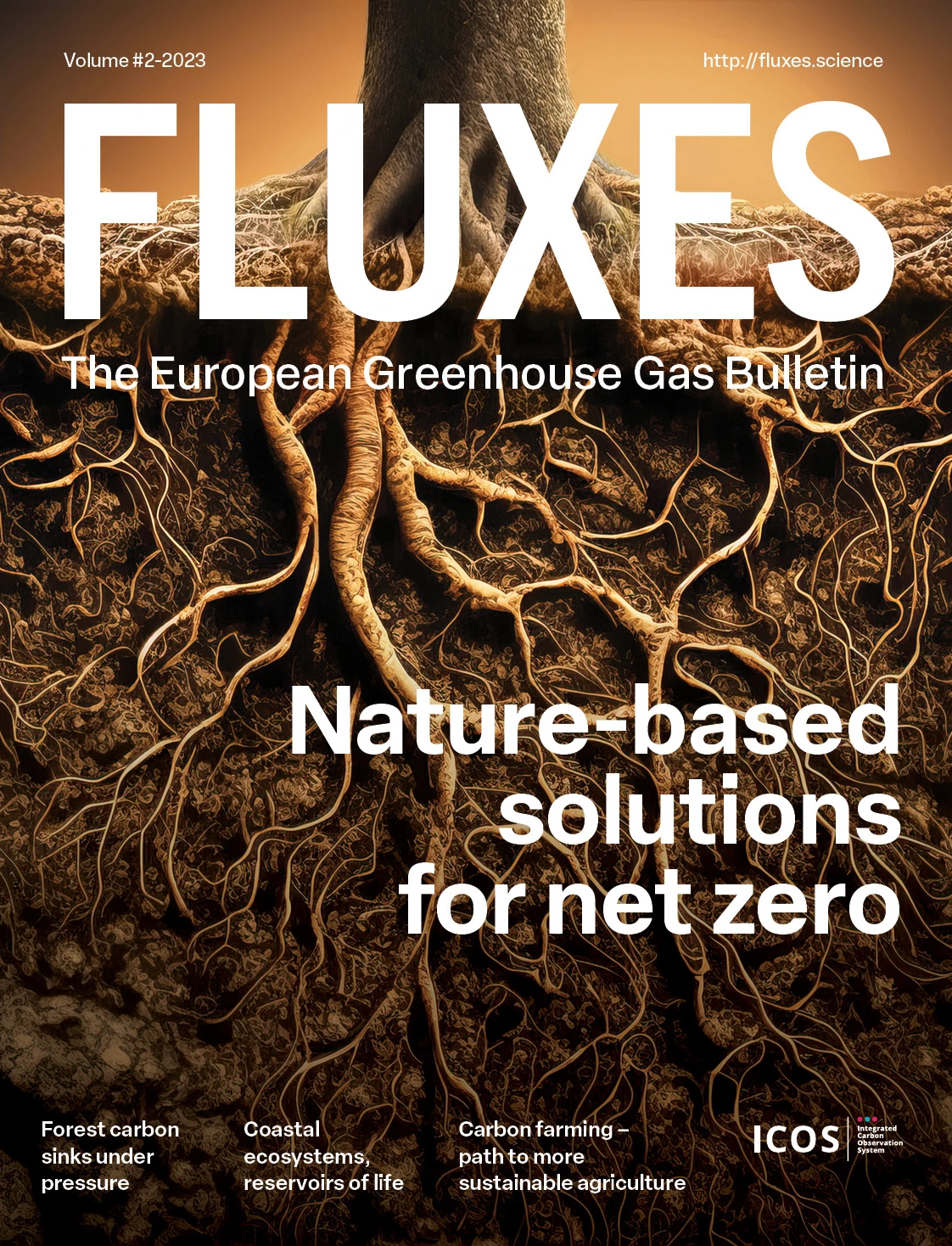
Volume 2, 2023

Nature-based solutions for net zero

FLUXES vol 2 highlights the potential and limitations of nature-based solutions for carbon removals from a scientific perspective. FLUXES is an annual scientific publication addressing climate change related issues supporting European policy-makers.

Volume 1, 2022

Are carbon sinks at risk?

This inaugural edition of FLUXES explores how long-term observation data can answer questions such as:

Has there been an acceleration of the increase of greenhouse gases in the atmosphere?’
Has extreme weather in Europe influenced the carbon cycle of ecosystems and, consequently, changed their ability to store carbon?’